
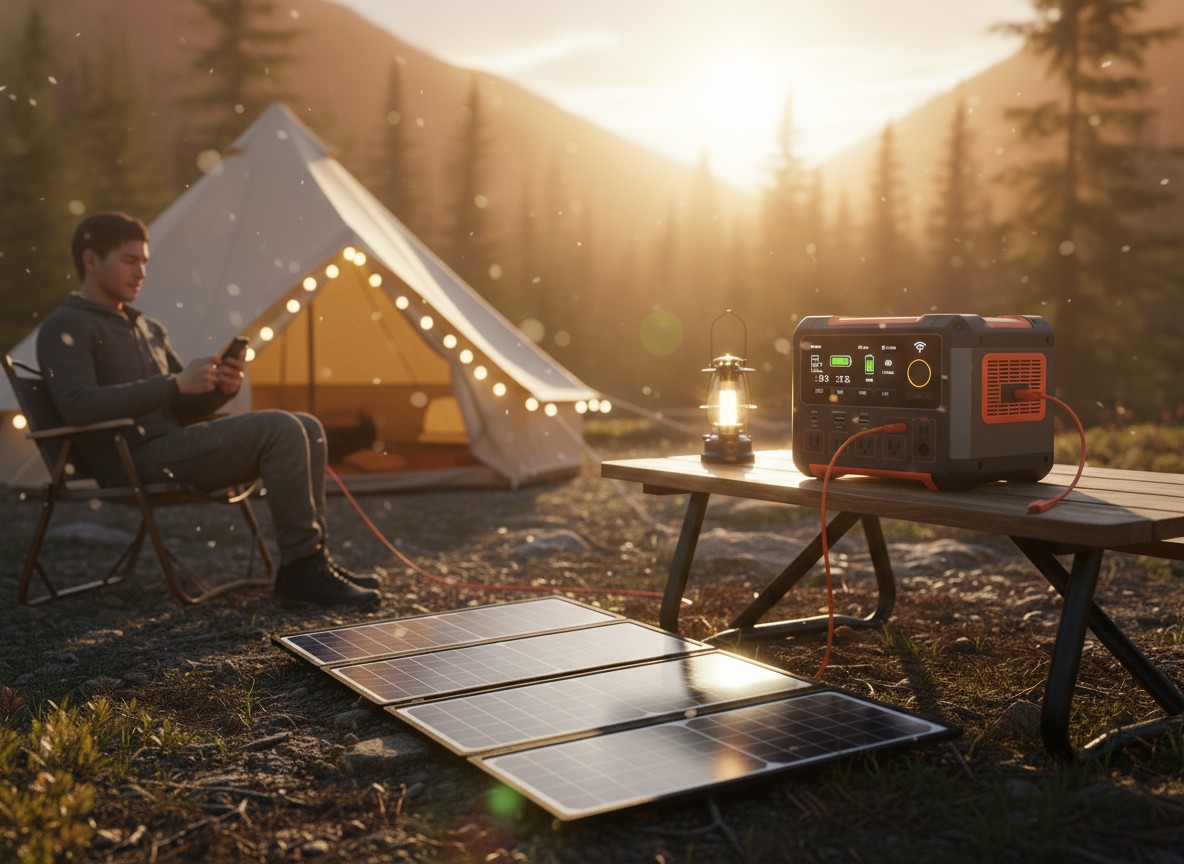
Planning a camping trip or outdoor adventure? A reliable portable power station can make all the difference between a comfortable experience and a frustrating one. This comprehensive guide will help you choose the perfect power station for your needs.
Understanding Your Power Needs
Before purchasing a portable power station, it's essential to understand how much power you'll actually need. Consider what devices you'll be charging and for how long.
- Small devices (phones, tablets, cameras): 100-300Wh
- Laptop work: 300-500Wh
- Small appliances (mini fridge, lights): 500-1000Wh
- Extended off-grid: 1000Wh+
Quick Formula
Add up the watt-hours of all your devices, then multiply by 1.5 to account for conversion losses. This gives you the minimum capacity you need.
Key Features to Consider
When evaluating portable power stations, keep these essential features in mind:
- Battery Type - LiFePO4 batteries offer 2000+ cycles and better safety
- Output Ports - Ensure enough AC outlets, USB-A, USB-C, and 12V ports
- Charging Options - Look for solar, AC wall, and car charging capabilities
- Weight - Consider portability if you'll be hiking or moving frequently
- Warranty - Longer warranties indicate manufacturer confidence
Pro Tip
Always choose a power station with at least 20% more capacity than you think you need. It's better to have extra power than to run out unexpectedly.
Solar Charging: Is It Worth It?
If you plan on extended trips away from grid power, solar charging can be a game-changer. Here's what you need to know:
- 200W solar panel can fully charge a 1000Wh station in 5-6 hours
- Look for MPPT controllers for efficient charging
- Portable foldable panels are best for camping
- Cloudy days reduce solar efficiency by 50-70%
Power Station Comparison
| Model | Capacity | Best For |
|---|---|---|
| TikiPower Pro 1000 | 1000Wh | Camping, RV, Emergency |
| TikiMax 500 | 500Wh | Weekend Trips |
| TikiMini 200 | 200Wh | Day Trips, Hiking |